Bribery, often concealed beneath a veil of apparent goodness, decency, and honesty, is a practice commonly found among individuals and systems that seem “clean” on the surface, yet are deeply involved in corruption. This hidden behavior not only destroy a person’s reputation but also silently eats away at the moral and structural foundation of society. As a result, it becomes a major obstacle to a nation’s progress.
Introduction
Corruption is not just limited to bribery or the misuse of government resources; it is a deep-rooted issue that silently weakens the social, moral, and economic structure of a nation. What we often see as progress or development is just a shiny surface behind this mirror lies a hidden reality. As the creed goes, appearances can be deceiving. The true face of corruption is masked, and most remain unaware of how deeply it affects every layer of our society.
Corruption behind the mirror is not just limited to bribery or theft. Often, it involves individuals who appear honest and respectable on the outside but secretly damage the roots of the country from within. Government officials and influential people, admired by the public for their reputations, often misuse their power for personal gain.
In Pakistan, favoritism, bribery, and nepotism are common in public institutions. These practices corrupt the system, where decisions are made based on connections rather than merit. As a result, deserving individuals are left behind. The education sector is also suffering. Cheating, fake degrees, and political influence have introduced corruption in educational institutions, leading to an unqualified and weak future generation.
Corruption triggers economic crises. It discourages foreign investment, wastes a major portion of the national budget, and increases inflation, unemployment, and poverty. The justice system also suffers. Police and legal corruption delay justice, especially for the poor. In many government offices, bribery has become the norm, creating a parallel system where funds are misused, and official records look clean while behind the scenes, fraud continues.
This hidden system leads to rising crime rates and loss of public trust in institutions. The powerful benefit easily, while the poor continue to struggle. When citizens realize their tax money is being misused, their faith in democracy fades, weakening the system further.
Why does corruption continue? The answer lies in the strength of those involved and the weakness of the institutions meant to hold them accountable. Media, the justice system, and politics often remain silent or even become part of the problem.
The hidden corruption behind the mirror cannot be removed by laws alone. It requires public awareness, transparency, and a strong, independent accountability system. If we don’t act now, future generations will suffer from injustice, poverty, and hopelessness.
A mirror only shows a reflection, not the full reality. Sometimes that reflection is just an illusion. Hidden corruption is more dangerous because it kills fairness and morality from within. We need a trustworthy system one that promotes honesty, ensures transparency, and enforces accountability.
In this fight, education, youth, and responsible media are our most powerful tools. Together, we can break this illusion and build a society where truth and justice are not hidden behind any mirror.
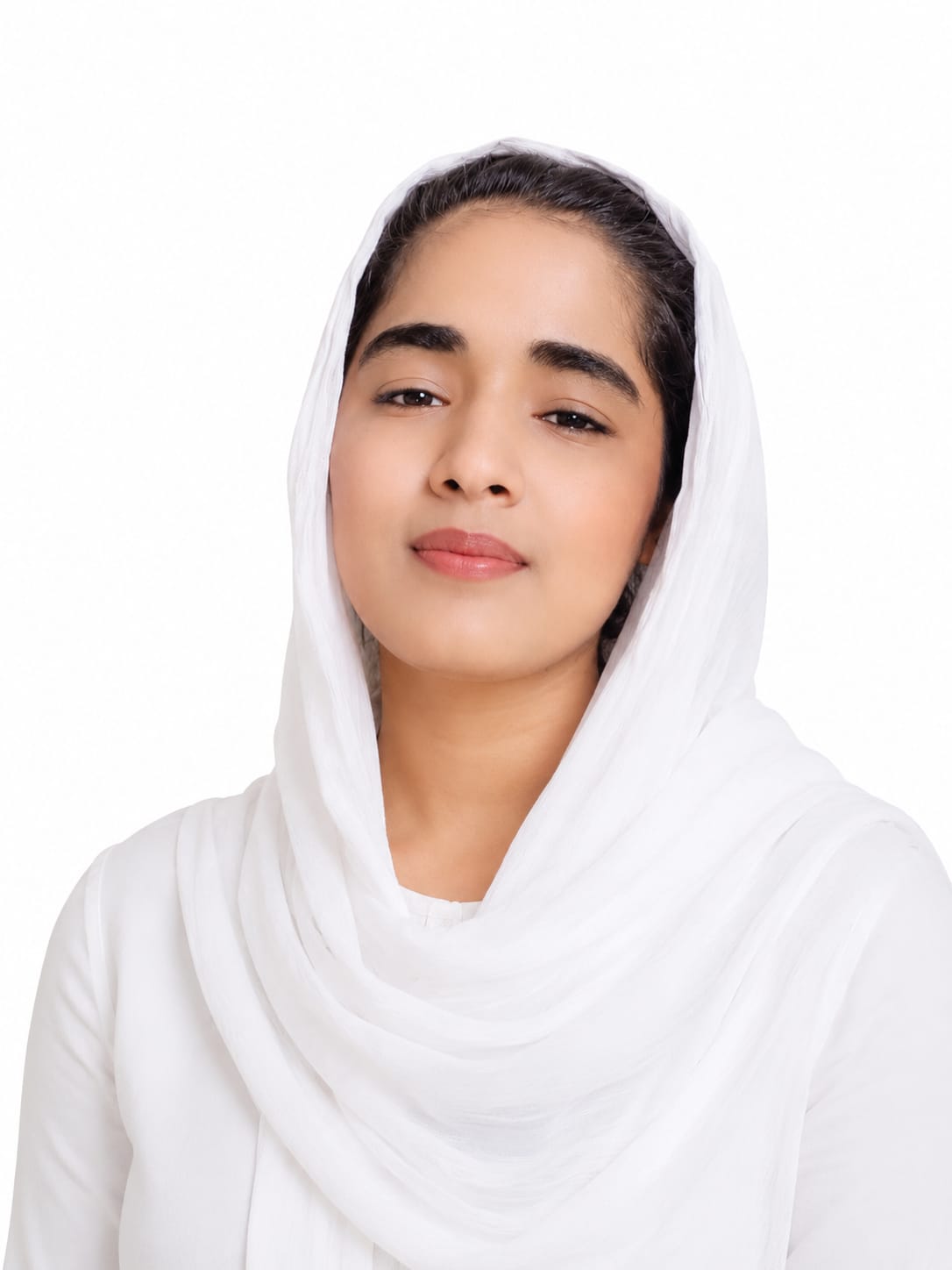
My name is Sania Bibi, and I'm a 4th-semester Biochemistry student at the University of Jhang. I'm part of the literary circle and a member of the sports society at university of Jhang . I work as an event coordinator, photographer, and graphic designer. I'm also a writer, and I write Urdu novels under the name Saanvi Rajput . I'm the representative of my department and serve as an organizer in every event, guiding everyone to participate effectively.
I'm part of the HEC organization's EOTO program, where I volunteer to teach illiterate individuals. I'm also a member of the Character Building Society at my university.